Based Rollups Explained: Sequencing Without a Central Operator
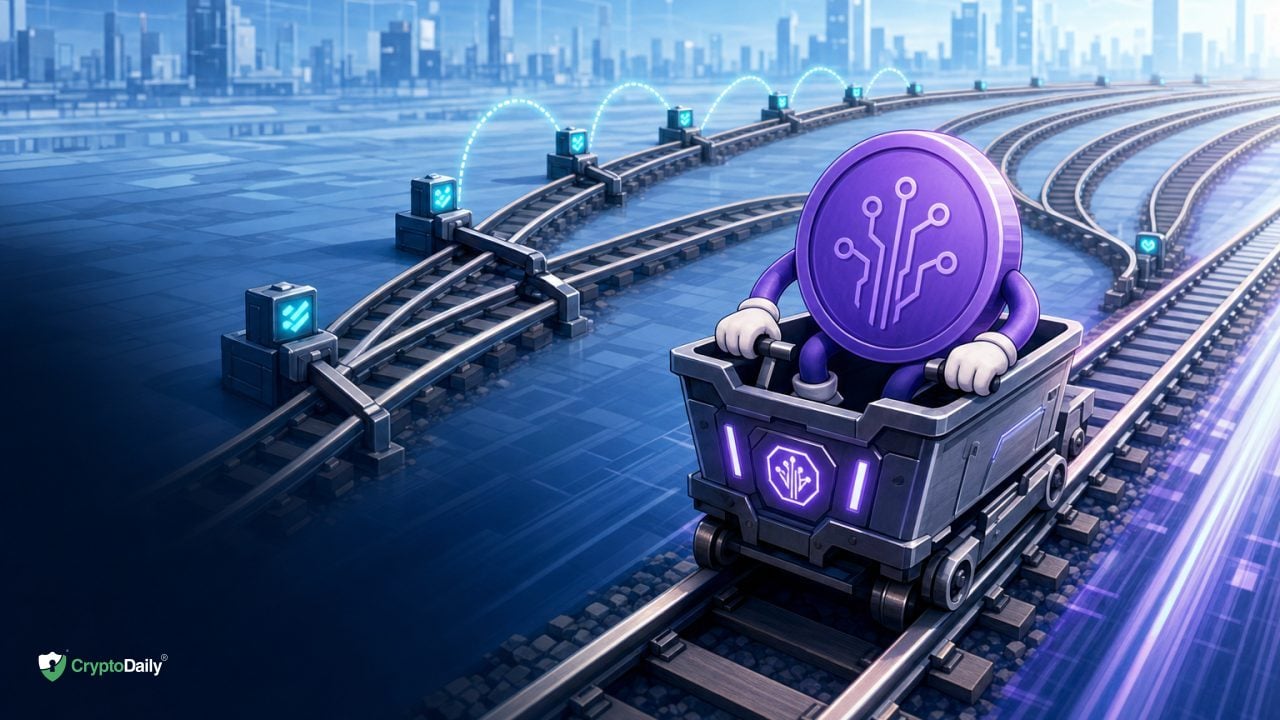
Rollups promised scale without throwing away Ethereum’s security. Then came the awkward bit: most of them still relied on one sequencer to decide who gets in next. Based rollups are the pushback to that.
Here’s the idea in plain terms. Instead of trusting an L2-run server to order your transaction, you let Ethereum’s own block proposers do it. The base layer sets the order. The rollup derives its chain from that order. No central sequencer in the middle.
That sounds tidy. In practice, it shifts power, latency, and MEV in new ways. Let’s unpack how it works, what you gain, where the rough edges are, and what we learned from Taiko’s bumpy but informative summer.
Point Details Who sequences Ethereum L1 proposers order L2 batches; the rollup follows that order to build its L2 blocks. Main upside Removes a single L2 sequencer as a censorship or liveness bottleneck; inherits Ethereum’s proposer set. MEV shift Value extraction moves toward L1 builders/proposers and relays under PBS; L2 preconfirmations become a market. UX tradeoffs 12-second slot rhythm, preconf reliance, and occasional reorg risk; latency tied to L1 conditions. Security still matters Proof system, data availability, and bridges remain critical. Based sequencing doesn’t fix weak proofs or leaky bridges. Real-world signal Taiko’s post-incident upgrades and bridge recovery underline how governance and proofs interact with based designs.
… Continue reading the full article at the original source below.