
Ethereum Layer 2 Fees: Why Transaction Costs Fell 95%
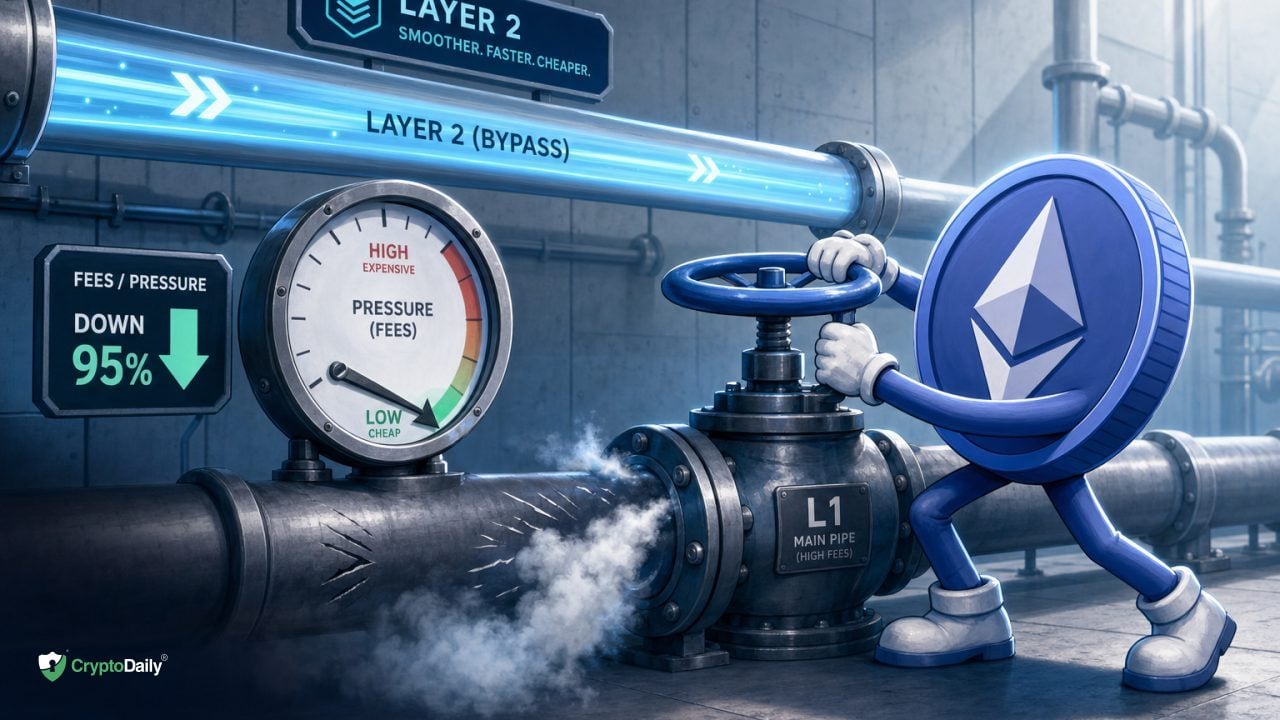
Ethereum gas used to sting, even on Layer 2. Then, almost overnight, many L2s started charging pennies or less for simple transfers. Swaps got meaningfully cheaper too. So what actually happened, and can it last?
This piece breaks down the mechanics behind the fee crash, why it varies by chain and time of day, and what could push costs up again. If you just want the short answer, it comes down to blob space from EIP-4844, smarter batching, and a lot more competition among rollups.
Ethereum Layer 2 fees fell roughly 90 to 95 percent because the Dencun upgrade added EIP-4844 “blob” space that is far cheaper for rollups to store data than legacy calldata. Most major L2s switched their batch posting to blobs and doubled down on compression and batching. Add sequencer competition and a better UX stack, and the result is meaningfully lower end-user fees. The drop isn’t uniform though. Fees still jump during congestion, complex swaps cost more than transfers, and blob prices can spike.
- EIP-4844 created a separate, cheaper market for rollup data, cutting a major cost line item (Ethereum Foundation, EIP-4844).
- Wallets and sequencers now batch more transactions with heavier compression, lowering per-user cost.
- Some L2s subsidize or optimize fees to attract activity, further tightening spreads.
- Prices still vary by app type, time of day, and demand for limited blob space.
What actually changed under the hood after EIP-4844?
Before March 2024, most rollups posted their transaction data to Ethereum as calldata. That worked, but it was pricey because calldata competes with everything else in the main gas market. With the Dencun upgrade, Ethereum added EIP-4844. Instead of stuffing rollup batches into calldata, L2s can use temporary data blobs. Blobs are cheaper because they’re separate from normal gas, optimized for rollup data, and pruned after a fixed period. That alone removed a huge cost driver for L2s.
… Continue reading the full article at the original source below.