The next phase of tokenization is utility
The following is a guest post and opinion from Vincent Maliepaard, VP of Marketing at Sentora.
Tokenized funds have stopped being a novelty. Tokenized US Treasury funds alone now hold roughly $16 billion in distributed value and the list of issuers includes most of the largest names in traditional asset management. Issuance is a solved problem. The harder question is what happens to one of these assets after it exists onchain, because most of them currently do very little.
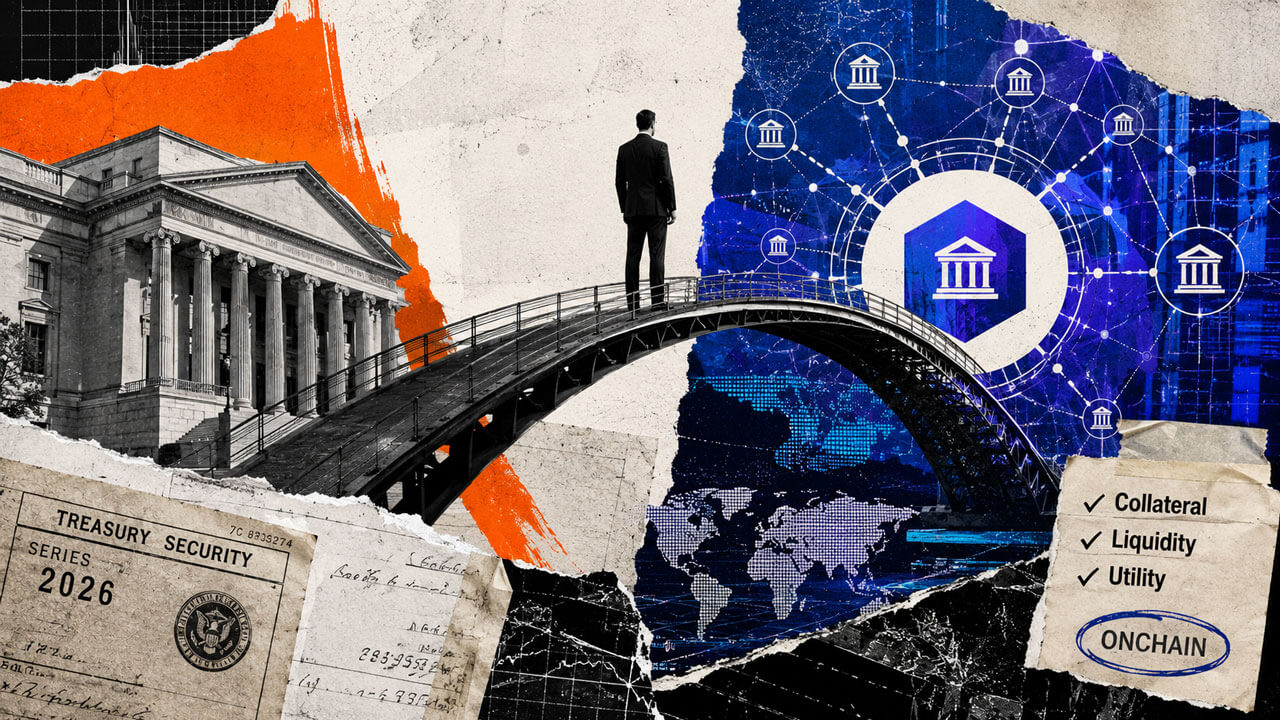
The typical tokenized fund is held, occasionally transferred, and eventually redeemed. That is a real improvement in distribution and settlement, but it leaves the asset economically idle. The larger opportunity lies in financial utility: using a traditional asset inside an onchain system as collateral, as margin, or as a component of a structured position. The two outcomes look almost identical on a balance sheet, and they behave very differently in practice.
From Representation to Utility
Consider an investor holding a tokenized fund that owns $100 million of bonds. If that investor needs cash, the conventional path is to redeem the fund, wait for the underlying assets to settle, receive the proceeds, and then deploy that capital somewhere else. The plumbing is faster than it would be offchain, but the economics are unchanged. The investor gave up the position in order to access liquidity.
… Continue reading the full article at the original source below.